

An onlay covers part of the chewing surface and one or more cusps. An overlay covers most or all of the chewing surface of the tooth.


When a tooth has moderate damage but does not require a full crown, dental onlays and overlays offer a strong, long-lasting solution. At Lakewood Dental in Carshalton, these custom restorations are used to rebuild chewing surfaces, protect weakened teeth and preserve as much natural tooth structure as possible.
Onlays and overlays are carefully crafted to restore function and appearance while supporting the long-term health of your tooth.
Get in Touch

Conservative alternative to full crowns
Custom ceramic restorations
Designed to strengthen damaged teeth
Preserve more natural tooth structure
Durable and natural looking results
Dental onlays and overlays are indirect restorations used when a tooth has moderate damage affecting the biting surface or cusps.
An onlay covers part of the chewing surface and one or more cusps of a tooth.
An overlay extends further to cover most or all of the chewing surface.
Both restorations are custom made in a dental laboratory and fitted during a second appointment. They are designed to restore strength while maintaining the natural shape and function of your tooth.
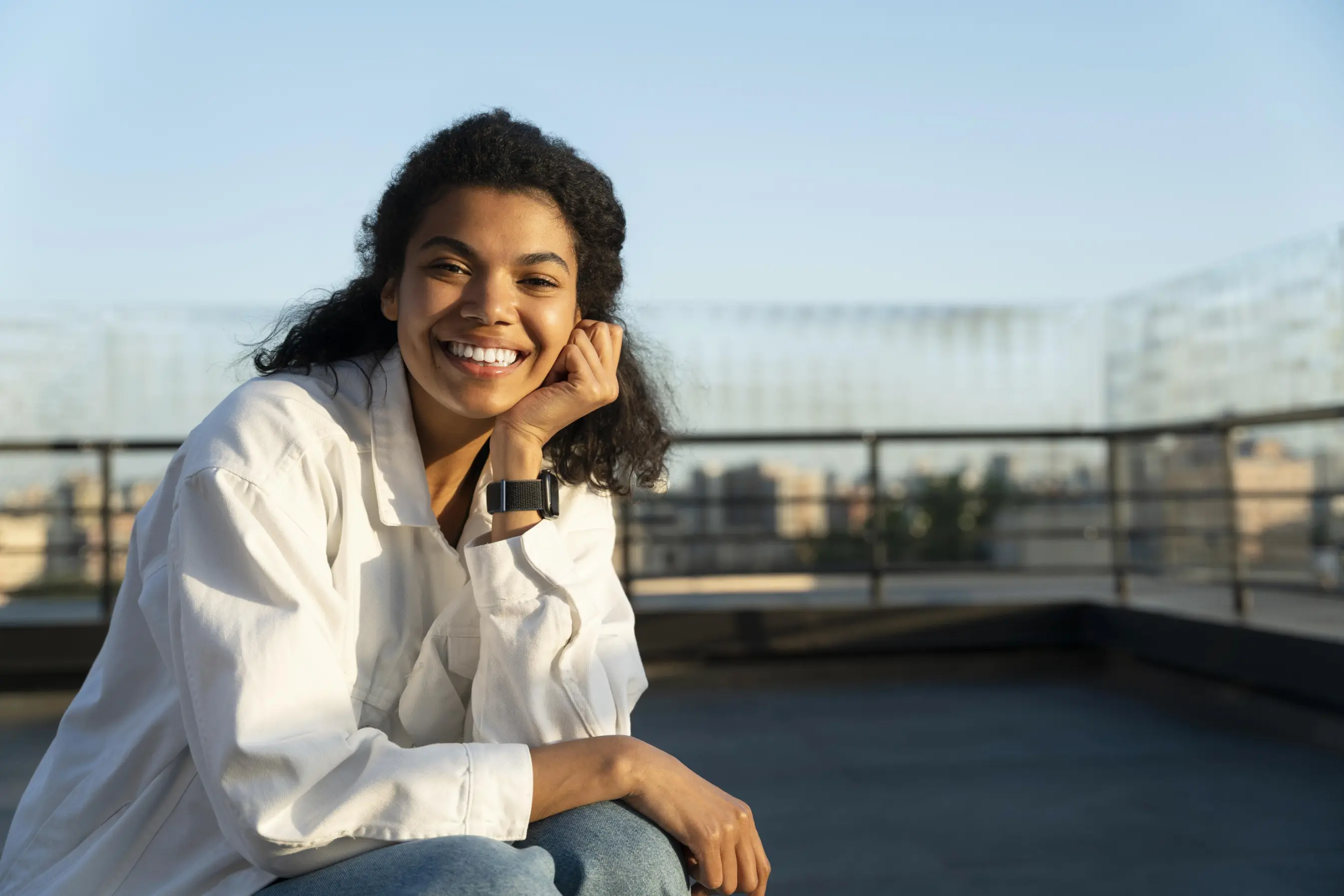

At Lakewood Dental, onlays and overlays are designed using biomimetic principles. This means the restoration is layered to mimic the natural structure of dentine and enamel.
The materials used are selected to behave in a similar way to natural tooth tissue, helping to:

Reinforce weakened teeth
Reduce the risk of cracks or fractures
Restore natural bite forces
Maintain long-term tooth integrity
This approach allows restorations to feel and function as close to a natural tooth as possible.
Onlays and overlays offer several advantages over traditional fillings or crowns in suitable cases, including:
Minimally invasive treatment
Long-lasting ceramic materials
Improved strength compared with large fillings
Natural appearance and comfort
Protection against further tooth damage

01
Your dentist examines the affected tooth and takes X-rays and digital scans to assess the extent of damage. These scans provide detailed information used to plan your restoration accurately.
02
A digital impression is sent to a dental technician, who fabricates your restoration to precise measurements and shade specifications. Biomimetic materials are selected where appropriate to support strength and aesthetics.
03
Your onlay or overlay is fitted under local anaesthetic to ensure comfort. The fit, bite and appearance are checked carefully before the restoration is bonded in place.
For patients who feel anxious, sedation options may be discussed in advance.
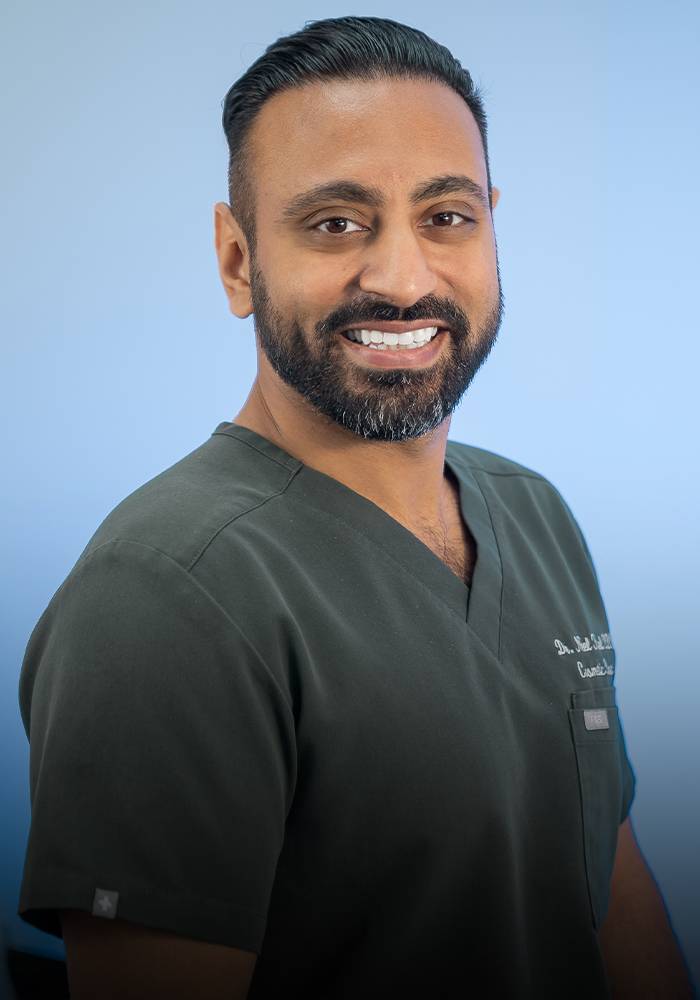
Principal Dentist
Dr Patel is responsible for planning and delivering restorative treatments such as onlays and overlays, with a focus on preserving natural tooth structure, function and aesthetics.

Patients across Carshalton and surrounding Surrey areas choose Lakewood Dental for restorative care because we focus on precision, preservation and patient comfort.
Conservative restorative dentistry approach
Modern digital diagnostics
Custom laboratory-made restorations
Clear explanations and honest guidance
Calm, supportive environment
Our aim is always to restore your tooth in the least invasive and most predictable way possible.
If you have a damaged tooth and want a conservative, long-lasting solution, dental onlays and overlays may be the ideal option.
Book Online to arrange your consultation at Lakewood Dental in Carshalton today.
An onlay covers part of the chewing surface and one or more cusps. An overlay covers most or all of the chewing surface of the tooth.
For moderate tooth damage, onlays and overlays are often stronger and longer lasting than large fillings while preserving more tooth structure than crowns.
With good oral hygiene and regular dental check-ups, they can last many years. Longevity depends on bite forces and care.
Treatment is carried out under local anaesthetic, so discomfort during the procedure is minimal. Mild sensitivity afterwards is normal and usually short lived.
Brush and floss as normal, attend regular dental check-ups and avoid biting hard objects to help protect your restoration.


We’re incredibly proud to announce that Lakewood Dental is a DOUBLE FINALIST at the Private Dentistry Awards 2026! 🏆
We are super grateful to the judges who selected us from more than 1,000 entries.
We have been shortlisted for:
✨ Patient Care
✨ Most Improved Practice
These nominations reflect the dedication of our entire team and our commitment to continually improving the care and experience we provide.
A huge thank you to our wonderful patients for trusting and supporting us—we couldn’t have achieved this without you. 💙
#LakewoodDental #privatedentistryawards2026 #PatientCare #MostImprovedPractice
Sep 10

New space. Same caring team. ✨
We’re so excited to finally share the new look of Lakewood Dental.
Designed to feel calmer, warmer, and more modern — creating a better experience for every patient who walks through our doors.
From routine dentistry to smile makeovers, implants, Invisalign and sedation, we wanted to build a space that reflects the level of care we strive to provide every day.
This is just the beginning. 🦷
#LakewoodDental #DentalPractice #SmileDesign #Dentist #DentalImplants Invisalign Carshalton ModernDentistry DentalClinic PracticeRenovation
May 13
Feeling nervous about dental treatment? 😰 You’re not alone — and we’re here to help.
We’re excited to now offer sedation dentistry with Munir @sedation.dentist at Lakewood Dental, helping patients feel relaxed, calm, and in control during treatment.
Whether you’ve been putting off care due to anxiety, a strong gag reflex, or past dental trauma, sedation can make your experience more comfortable and stress-free.
🦷 Message us to learn more or to see if sedation is right for you.
Aug 6
🌟✨ WOW! 5-Star Reviews ✨🌟
We are absolutely over the moon with the incredible feedback we’ve received! 🙌💙 Your kind words and support leave us speechless! Thank you for making our practice shine brighter every day. We are so grateful and excited to keep seeing you all! 💫
📞0208 648 3888
🌐www.lakewooddental.co.uk
📍 Carshalton, Sutton
#FeelingBlessed #GratefulBeyondWords #5StarVibes #lakewooddental
Jul 14
🦷✨Restoring smiles, Restoring confidence! Dental implants are the perfect solution for a natural-looking, long-lasting smile. If you`re missing teeth, let`s get you back to feeling your best with a solution that looks and feels just like your own. 😁
📞 0208 648 3888
🌐www.lakewooddental.co.uk
📍 Carshalton, Sutton
#smilemakeover #smilegoals #teeth #implant #dentist #suttondentist #lakewooddental #restoringsmiles #restoringsmilefunctionandconfidence
Jul 14
🦷✨ Helping patients achieve the smile they`ve always dreamt of - discreetly and comfortably with Invisalign! No wires, no hassle, just clear aligners that fit seamlessly into your life. Ready for your smile transformation? 😁
📞 0208 648 3888
🌐 www.lakewooddental.co.uk
📍Carshalton, Sutton
#smilemakeover #invisalign #cosmeticdentistry #suttondentist #beforeandaftersmile #smilegoals #lakewooddental #happypatient
Jul 14
✨ Smile Transformation ✨
Our lovely patient came to us feeling self-conscious about uneven teeth and noticeable spacing. After a bespoke smile makeover using ultra-thin porcelain veneers, we achieved natural-looking results that restored balance, symmetry, and confidence.
The difference speaks for itself — and so does that beautiful smile! 😍
Ready to love your smile again? Book your consultation today.
📞 0208 648 3888
🌐 www.lakewooddental.co.uk
📍Carshalton, Sutton – right next to Epsom & St Helier Hospital
#SmileMakeover #PorcelainVeneers #BeforeAndAfterSmile #CosmeticDentistry #VeneersUK #LondonDentist #CarshaltonDentist #SuttonDentist #NaturalVeneers #UltraThinVeneers #SmileGoals #ConfidentSmile #LakewoodDental #DentalTransformation #VeneersBeforeAfter #SmileDesign #HappyPatient #Suttondentist #mitcham
Jun 10
We love hearing feedback like this!
Another happy patient sharing their experience at Lakewood Dental. Your kind words keep us smiling and striving to deliver the very best care every day.
Thank you for trusting us with your smile!
Have you visited us recently? We’d love to hear your thoughts – leave us a Google review!
#LakewoodDental #PatientReview #CarshaltonDentist #HappyPatients #GoogleReview #dentalcarewithheart #Suttondentist
May 8
This lovely patient was born without her upper lateral incisors ✨ Using composite bonding, we carefully reshaped her canines to look like natural incisors — no drilling, no pain, just artistry and precision! 🦷✨ The result? A balanced, confident smile she can be proud of! #SmileGoals"
#CompositeBonding #SmileTransformation #CosmeticDentistry #MinimalInvasive #BeforeAndAfter #LakewoodDental #CarshaltonDentist #Suttondentist #mordendentist
Apr 29
✨ Say Goodbye to Silver, Hello to Natural Beauty! ✨
Many of our patients at Lakewood Dental are choosing to replace their old amalgam fillings with beautiful, natural-looking white fillings—and the results are stunning! 💎🦷
We offer safe amalgam removal and carefully restore your teeth with high-quality resin composite that blends seamlessly with your natural smile. No more dark or metal fillings—just healthy, radiant teeth! ✨
Ready for a fresher, more confident smile? Book your appointment today!
📍 Carshalton, Sutton
📞 0208 648 3888
📧 info@lakewooddental.co.uk
🌐 www.lakewooddental.co.uk
#LakewoodDental #WhiteFillings #AmalgamRemoval #NaturalSmile #CosmeticDentistry #HealthyTeeth
Feb 1
✨ Brighter, Whiter, More Confident You! ✨
Dreaming of a dazzling smile? Our professional teeth whitening treatments at Lakewood Dental can lift years of stains, giving you a brighter, fresher smile in no time! ☀️🦷
✅ Safe & effective
✅ Long-lasting results
✅ Tailored to your teeth
Book your consultation today and let’s get your smile glowing! 💙
📍 Carshalton, Sutton
📞 0208 643 3888
🌐 www.lakewooddental.co.uk
#LakewoodDental #TeethWhitening #BrighterSmile #CosmeticDentistry #ConfidentSmile
Jan 31
✨ Incredible Transformation! ✨
Check out this amazing before-and-after of a patient who hadn’t had a dental cleaning in over 10 years. Years of built-up tartar (calculus) were professionally and thoroughly removed by our skilled hygienist Cleo @cc_hygienist , leaving these teeth sparkling clean and healthier than ever! 🦷
This is a perfect reminder of the importance of regular dental visits—not just for a beautiful smile, but for your overall oral health. Don’t worry if it’s been a while since your last visit—we’re here to help, judgment-free!
Book your hygiene appointment today and take the first step toward a healthier, brighter smile. 💙
📞 Call us on 0208648 3888 or visit www.lakewooddental.co.uk schedule an appointment with our amazing hygienist.
#DentalCare #SmileTransformation #OralHealth #TartarRemoval #HealthyTeeth #ProfessionalCleaning #BeforeAndAfter #DentalHygienist #BrightSmile #HealthySmileJourney #TeethCleaning #DentalPractice #DentistCare #OralHygiene
Jan 9
✨ Lip Filler Transformation ✨
Swipe to see the power of a little symmetry correction! By enhancing the Cupid`s bow, adding volume, and balancing asymmetry, we achieved a beautifully natural and fuller look for this lovely patient. Lip fillers don’t have to be dramatic; sometimes, it`s the subtle changes that make all the difference. 💋
Interested in a consultation? Book with us at Lakewood Dental, where we focus on bringing out your most confident self!
#LipFiller #LipTransformation #BeforeAndAfter #AestheticDentistry #LipEnhancement #ConfidenceBoost #CarshaltonDentist #LakewoodDental
Nov 12
🌟 Exciting News! 🌟
We`re thrilled to announce that the new Lakewood Dental website is on its way! Soon, you’ll be able to explore all our services, meet the team, and even book your appointments online—all with a fresh look that reflects our passion for patient care and comfort. 💙
Stay tuned for the official launch, and get ready for a smoother, more informative online experience with Lakewood Dental. We can’t wait to share it with you!
#LakewoodDental #NewWebsiteComingSoon #DentalCare #CarshaltonDentist #PatientComfort
Nov 11
✨ Discover Facial Aesthetics at Lakewood Dental! ✨
Did you know we offer more than just dental care? Our facial aesthetics treatments can help you achieve a refreshed, youthful look! From anti-wrinkle treatments, skin care to dermal fillers, our skilled team is here to enhance your natural beauty safely and comfortably. 💉💫
We’re all about subtle, tailored results that leave you looking and feeling your best. Ready to glow? Book a consultation with us to explore the possibilities!
#LakewoodDental #FacialAesthetics #AntiWrinkleTreatment #DermalFillers #NaturalResults #CarshaltonDentist #ConfidenceBoost #zoskinhealth
Nov 10
✨ Transforming Smiles with Invisalign! ✨
Here’s a look at one of our latest success stories! Our patient came in looking to align their smile without traditional braces, and with the power of Invisalign, we made it happen—discreetly and comfortably. 🦷💙
Swipe to see the before and after! 👀 If you`re thinking about enhancing your smile with Invisalign, let us help you start your journey. Book your consultation today and take the first step towards your dream smile! 🌟
#Invisalign #BeforeAndAfter #LakewoodDental #CarshaltonDentist #ClearAligners #SmileTransformation
Nov 7
✨ Smile Transformation Alert! ✨
Check out this stunning before and after by Dr Neel! With custom porcelain veneers and precise gum contouring, we were able to enhance our patient’s smile, boosting their confidence and creating a beautifully natural look. 😁💫
Porcelain veneers are a fantastic option for anyone looking to improve the shape, color, or alignment of their teeth. Paired with gum contouring, we can create a balanced, seamless smile that’s unique to you!
Check out our other smile transformations soon, and DM us if you’re interested in starting your own smile journey! 💌
#LakewoodDental #SmileMakeover #PorcelainVeneers #GumContouring #BeforeAndAfter #CosmeticDentistry #CarshaltonDentist #ConfidentSmiles
Nov 6
🌟 Another 5-Star Smile! 🌟
We’re so grateful for feedback like this – it means the world to us! Hearing how our team can make a difference in your dental experience is why we do what we do. 😊💙
Thank you to all our patients who take the time to share their experiences. Your trust and kind words inspire us every day to keep delivering the best care!
Swipe to read more and see why our patients love Lakewood Dental! 💫
#LakewoodDental #5StarReview #PatientLove #CarshaltonDentist #HappySmiles #CosmeticDentistry #LondonDentist
Nov 6
👋 Meet Virat, our dedicated Trainee Dental Nurse! Joining us in August 2024, he brings a warm smile and a passion for helping patients achieve their dream smiles through treatments like bonding and veneers. 💫
Outside of work, Virat loves playing cricket and spending quality time with friends and family. 🏏👨👩👧👦
We’re thrilled to have him on the team and look forward to seeing him grow in his dental journey! 💙
#LakewoodDental #MeetVirat #DentalNurse #CosmeticDentistry #PatientCare #CarshaltonDentist
Nov 6